NanoSense has been making air-quality sensors for about twenty years. When the Igienair group buys it, I inherit a file I didn’t write: an industrialization already running, not a blank page. A surprise, and a real challenge.
taking over twenty years, not a blank page
Taking over is not designing. You have to recover twenty years of technical knowledge: products that evolved as new technologies came in, modified and re-modified, leaving behind a large number of production files. The upside is that there’s material to work with. The downside is that you have to understand choices made long before you, and put order back into all of it.
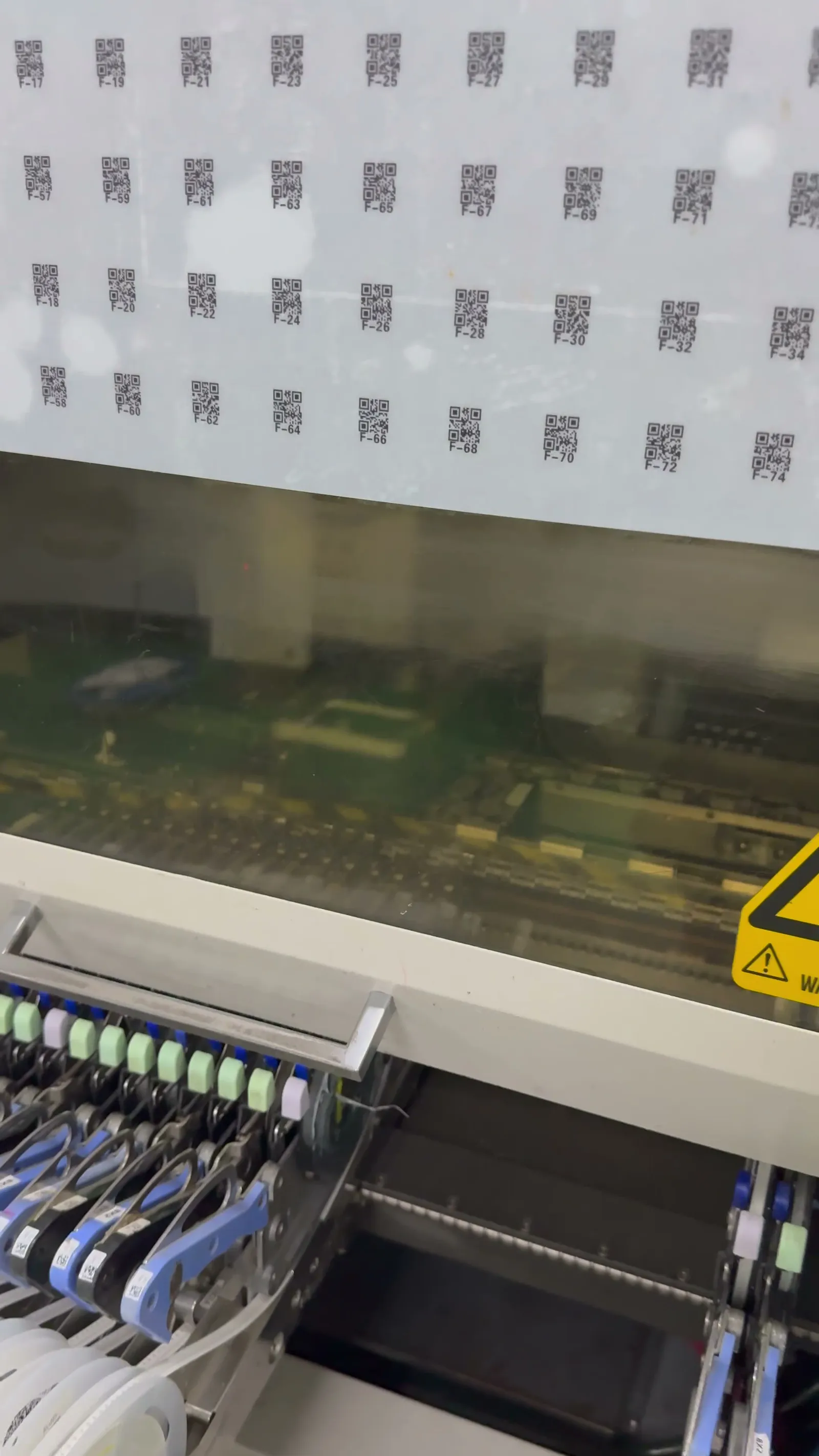
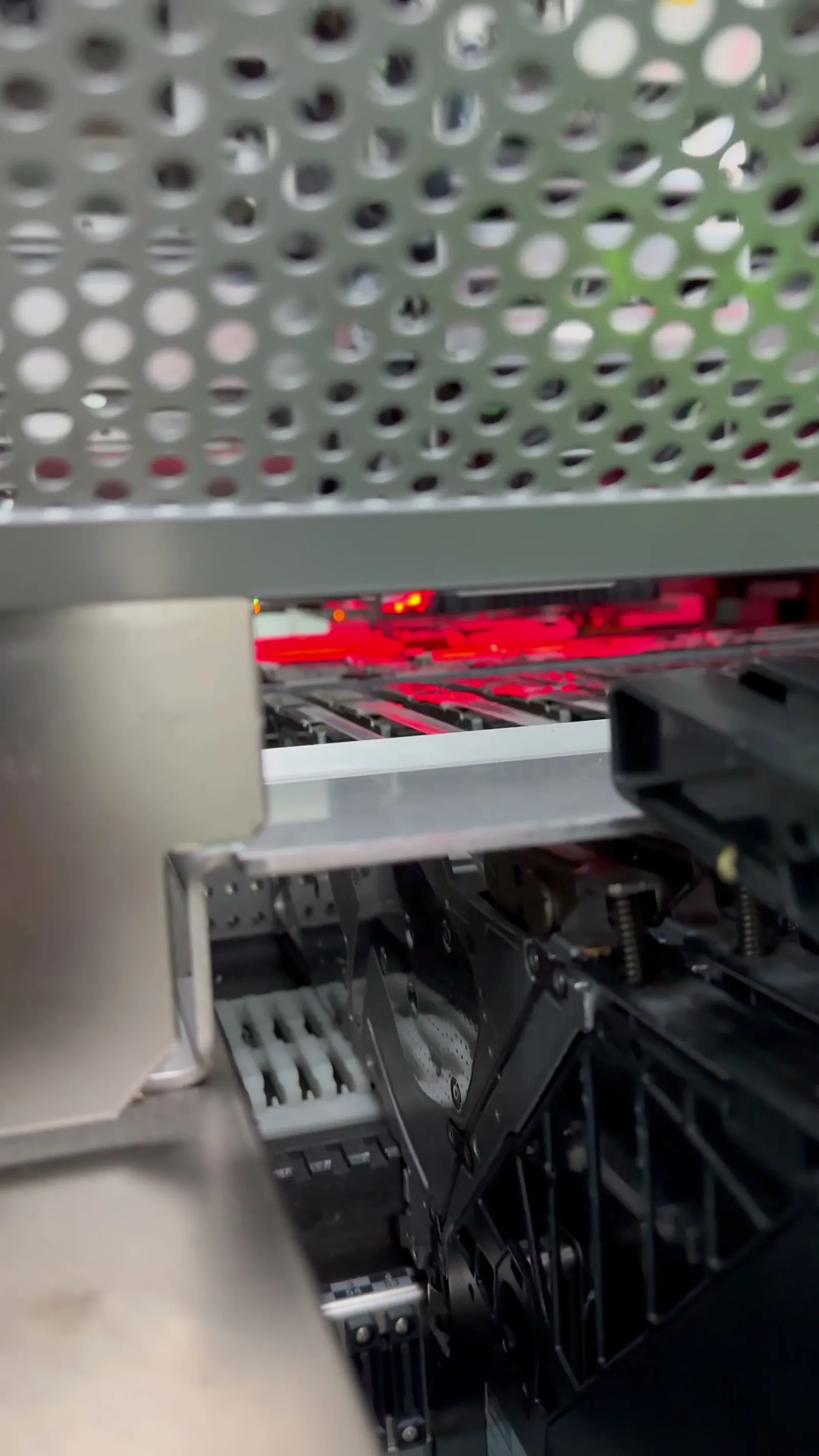
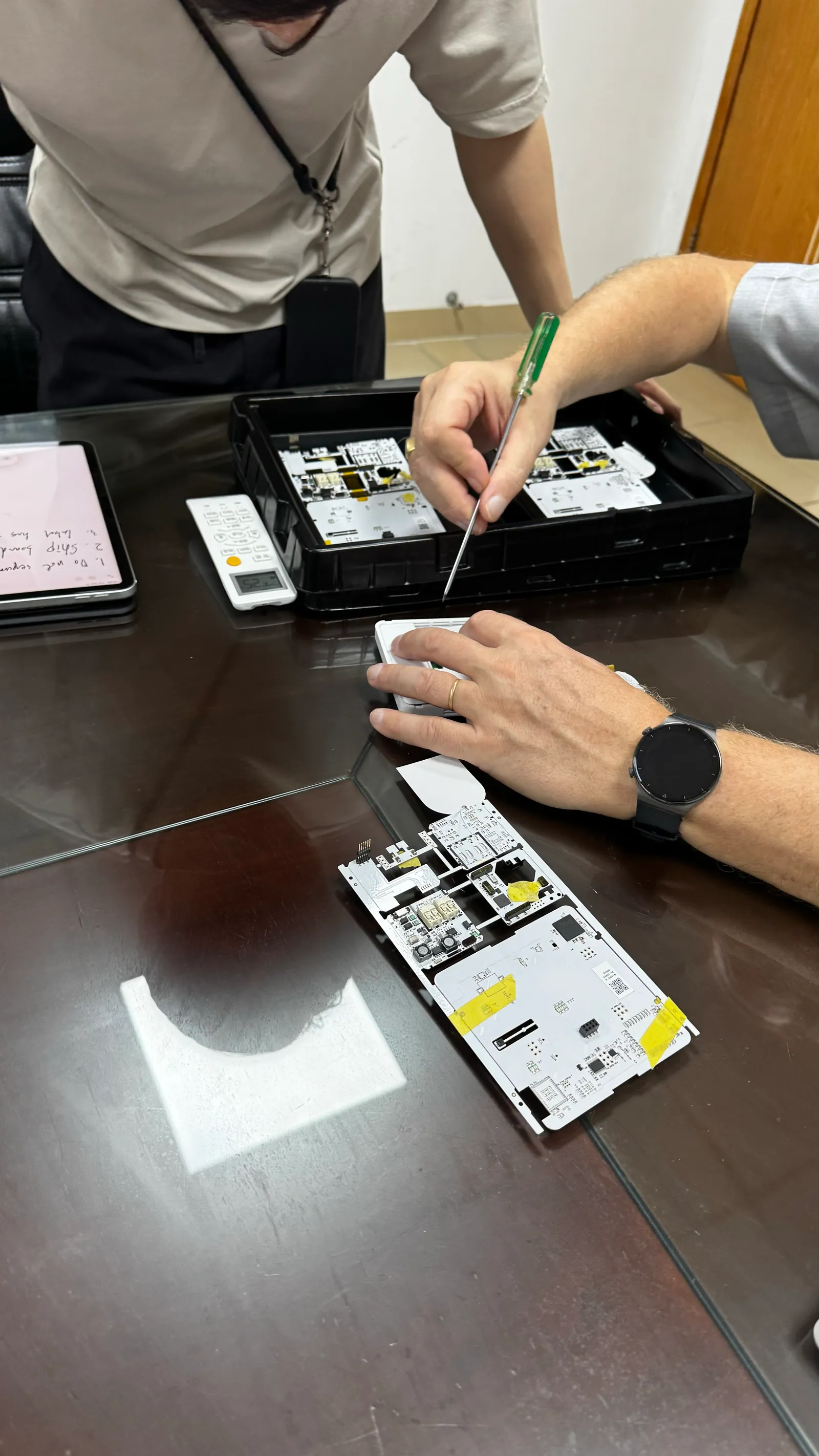
Production itself is a mix. Final assembly happens in France. The sub-assemblies, the PCBAs and the mechanical parts are manufactured and assembled in China, at several EMS: PCB fabrication, assembly lines, mounting. That’s what I went to see on site, in Shenzhen.
my role: the handover
As hardware lead, my first job was to support the NanoSense teams and engineers before they left. All the value was in their heads and their files: handing over the technical documents, the know-how and the production organization. Recovering that cleanly is what makes a takeover hold or collapse.
what China really does well
China has assets I had only seen in Europe reserved for clients worth several million a year. Here, I had them for an SME.
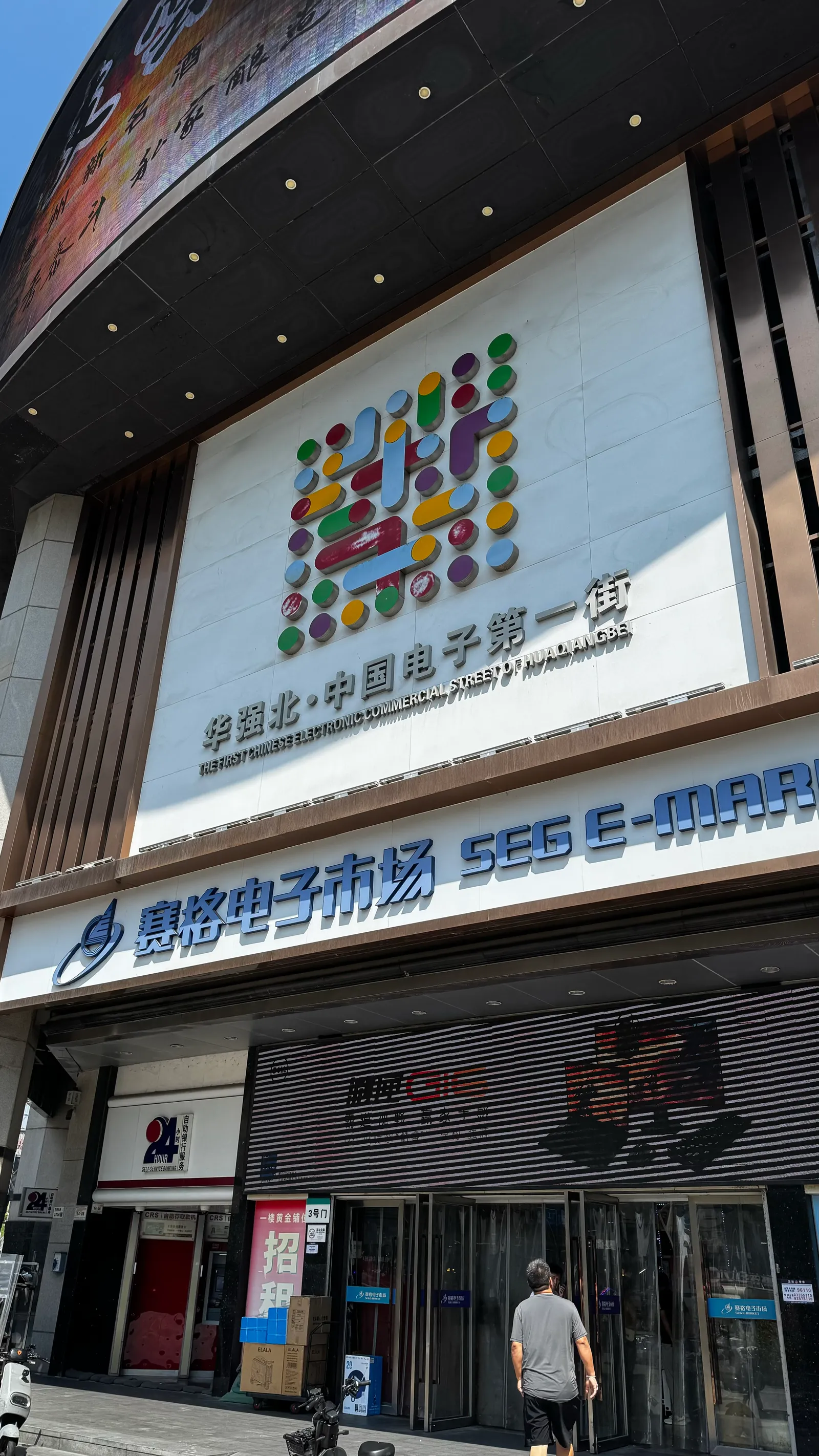
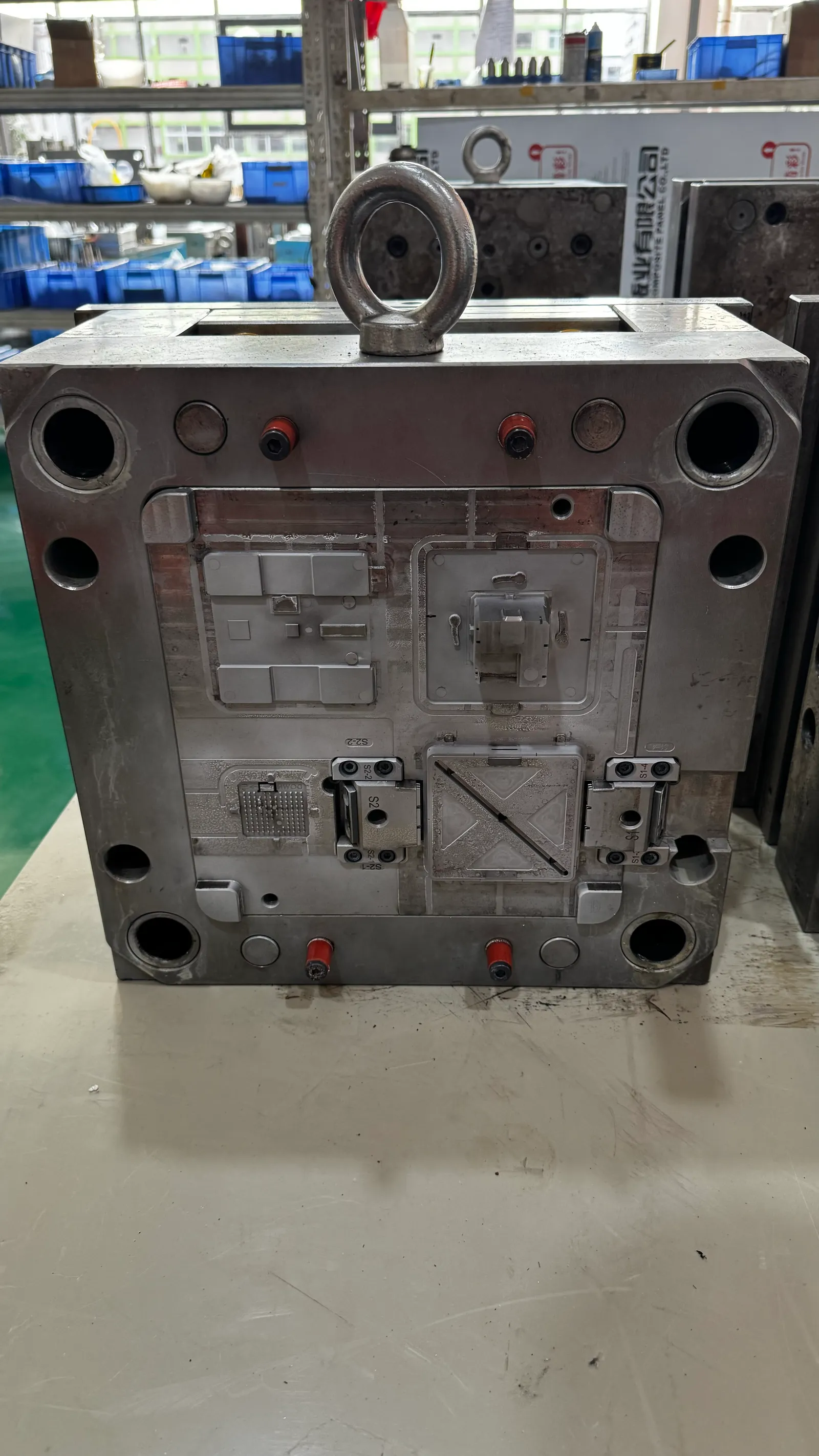
Concretely: a contact available almost around the clock, teams dedicated to finding reference components, BOM optimization between Chinese and European parts, optimization of the production files to cut costs. All of it included in the production fees, which amount to at most 5% of our displayed production prices. The mechanical parts come out of the same ecosystem, injection molds included.
We can’t rule out that the real margin sits elsewhere, in the manufacturing itself. But the numbers speak: between a European production and the same one in China, I have seen up to 4 times cheaper, shipping included.
what I take from it
The good:
- real support despite our size as an SME, where you think you don’t matter;
- an optimized production file, with nothing to envy Europe for;
- costs that simply don’t compare with Europe, for our volumes.
The less good, and I’d rather say it:
- working conditions. Nothing horrible was shown to me, and respect for the employees seemed to be there, but I find it hard to imagine such a pace and margins so thin without it weighing on someone.
- you have to keep an eye on them at all times. Mistakes happen often. Every piece of information must be clear and easy to understand, otherwise it slips through: they don’t always ask the question, and the mistake travels all the way to the product.
Taking over an industrialization teaches you as much as starting one. Sometimes more.