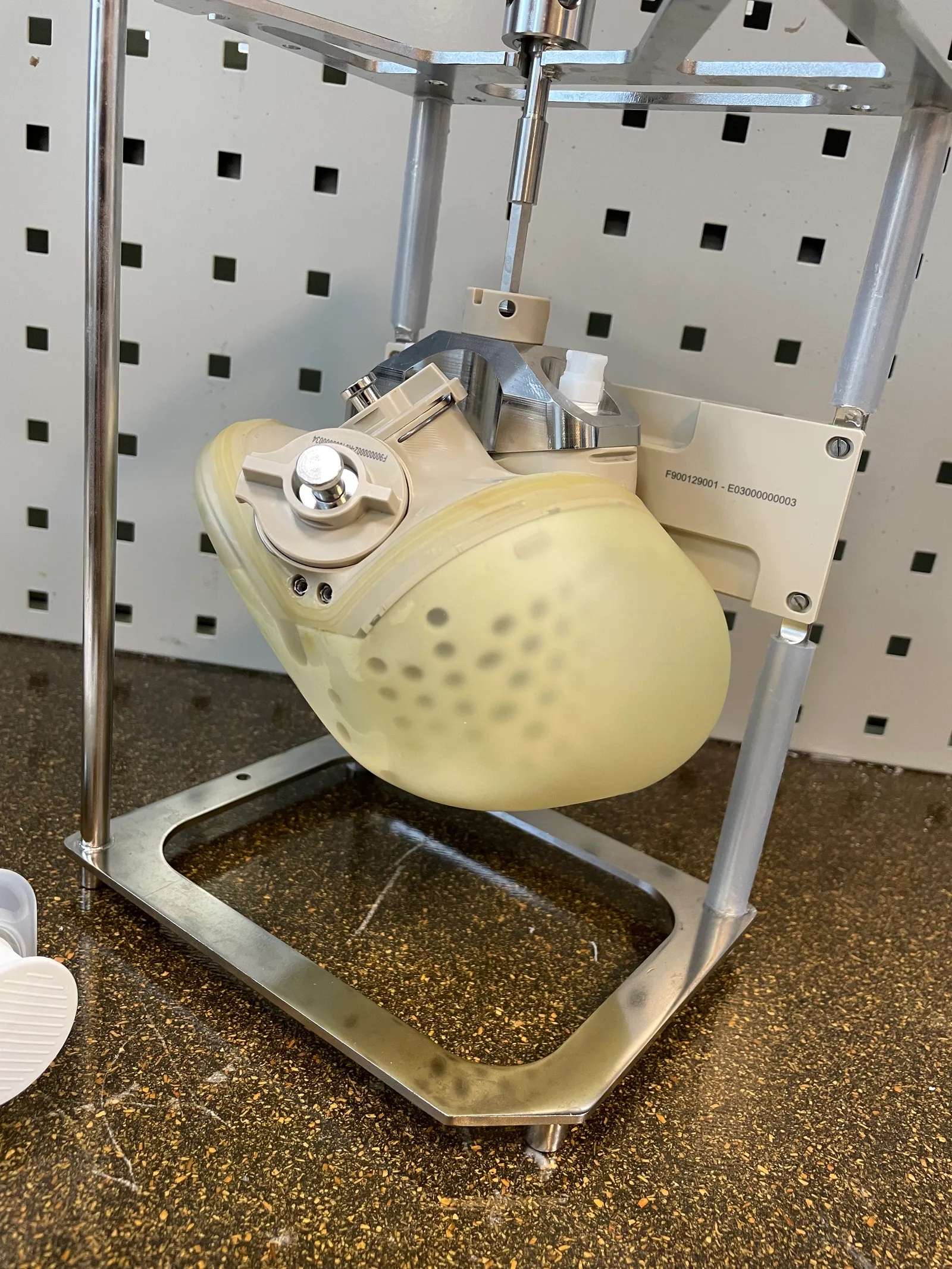
Four months at Carmat, in 2021, as an electronics engineer. It’s short, I then moved on to project management. But it’s the role that changed how I see the job: here, “technology in the service of life” isn’t a slogan, it’s the spec.
carmat, and the total artificial heart
Carmat designs and manufactures the Aeson, the most advanced total artificial heart in the world, in Vélizy-Villacoublay, France. The project grew out of the work of surgeon Alain Carpentier, with an aerospace engineering heritage. The goal is simple to state, dizzying to deliver: fully replace the heart of a patient in end-stage biventricular heart failure, when a transplant won’t come in time, or at all.
Where most circulatory supports just push blood, the Aeson tries to mimic a real heart. The surfaces in contact with blood are made of treated bovine pericardial tissue, to limit clotting and rejection, the weak point of classic mechanical hearts. And the prosthesis is self-regulating: it adjusts its flow to the patient’s activity, on its own. It’s pulsatile, and almost alive.
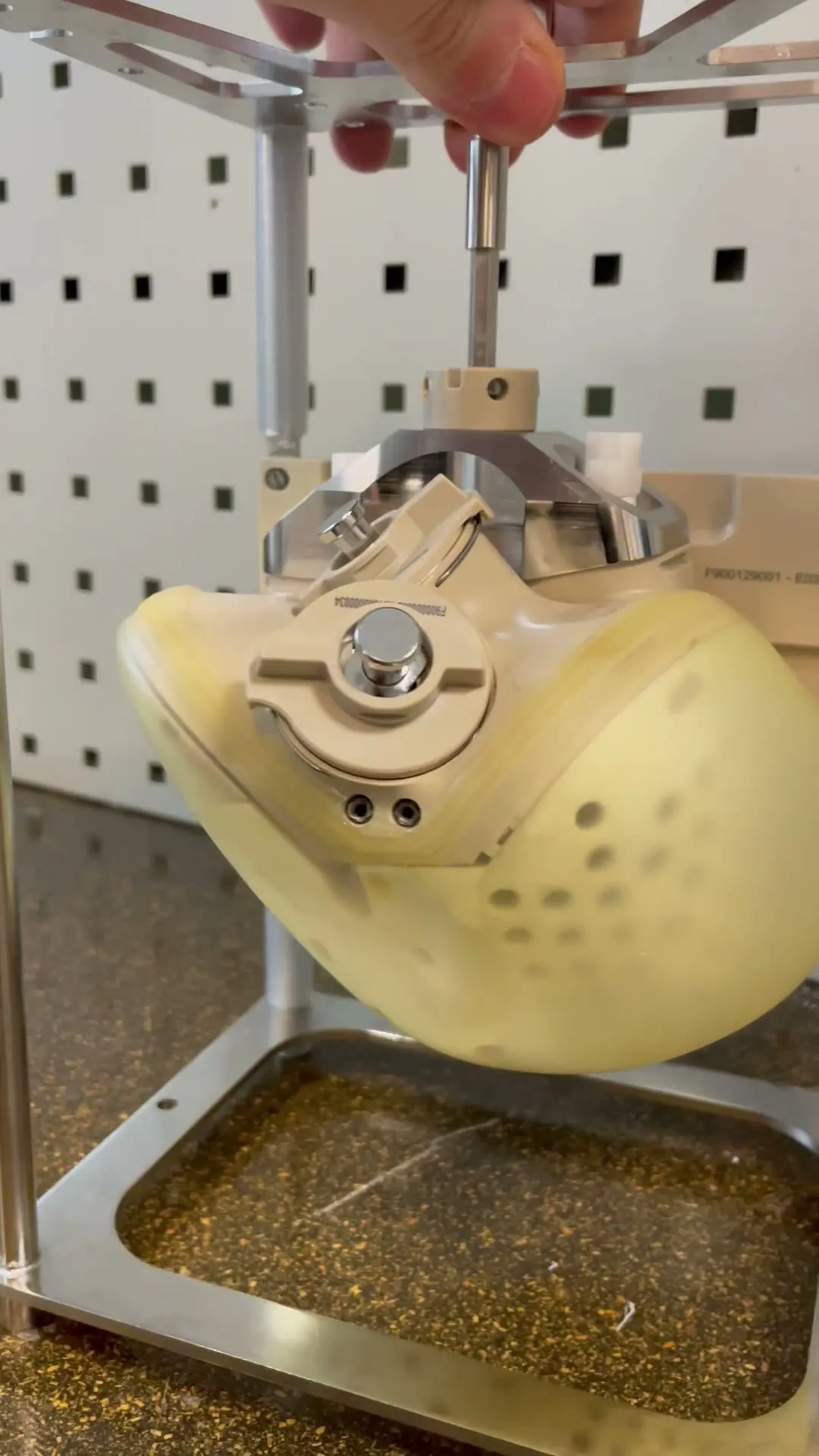
my role: proving equivalence
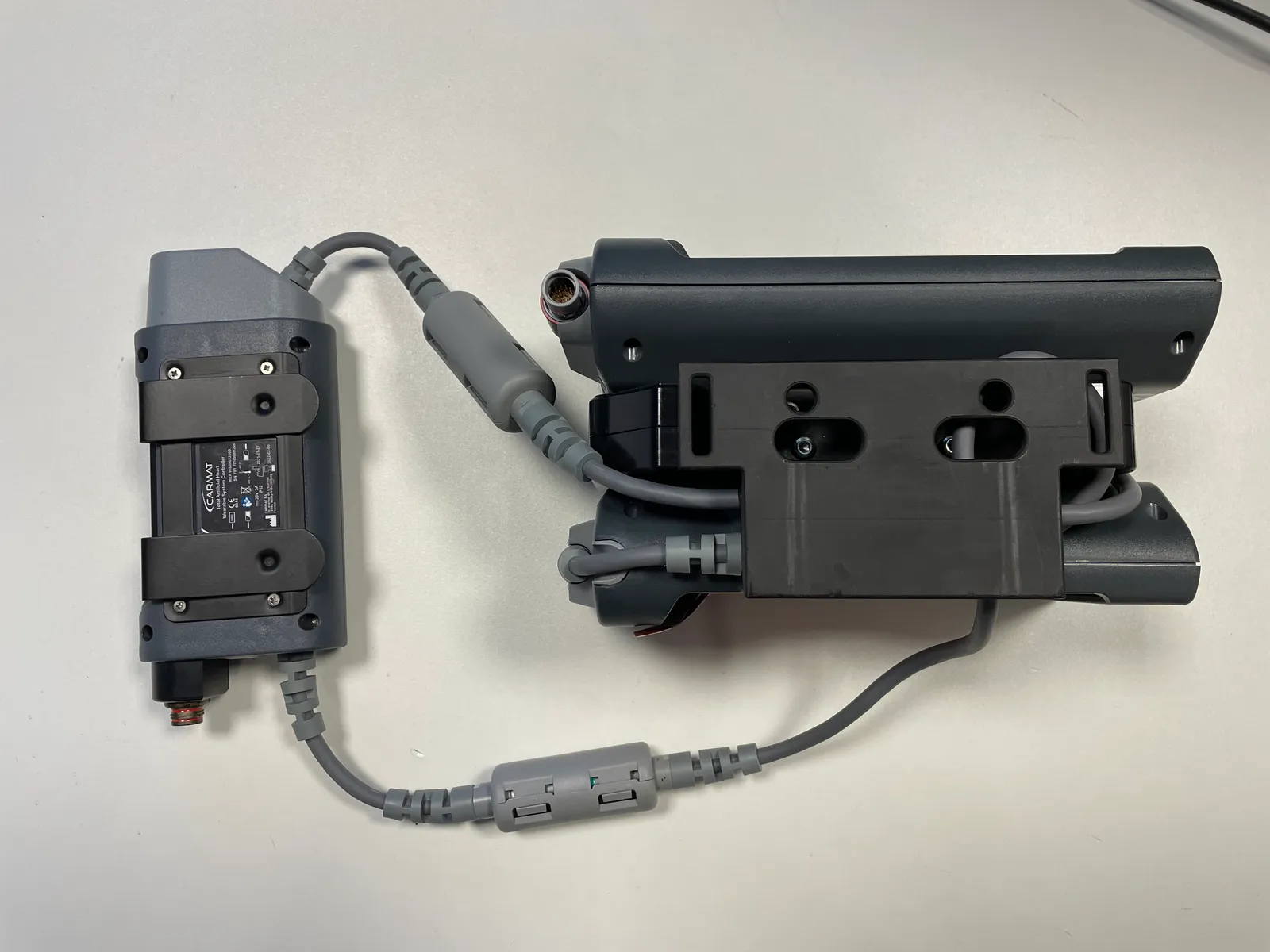
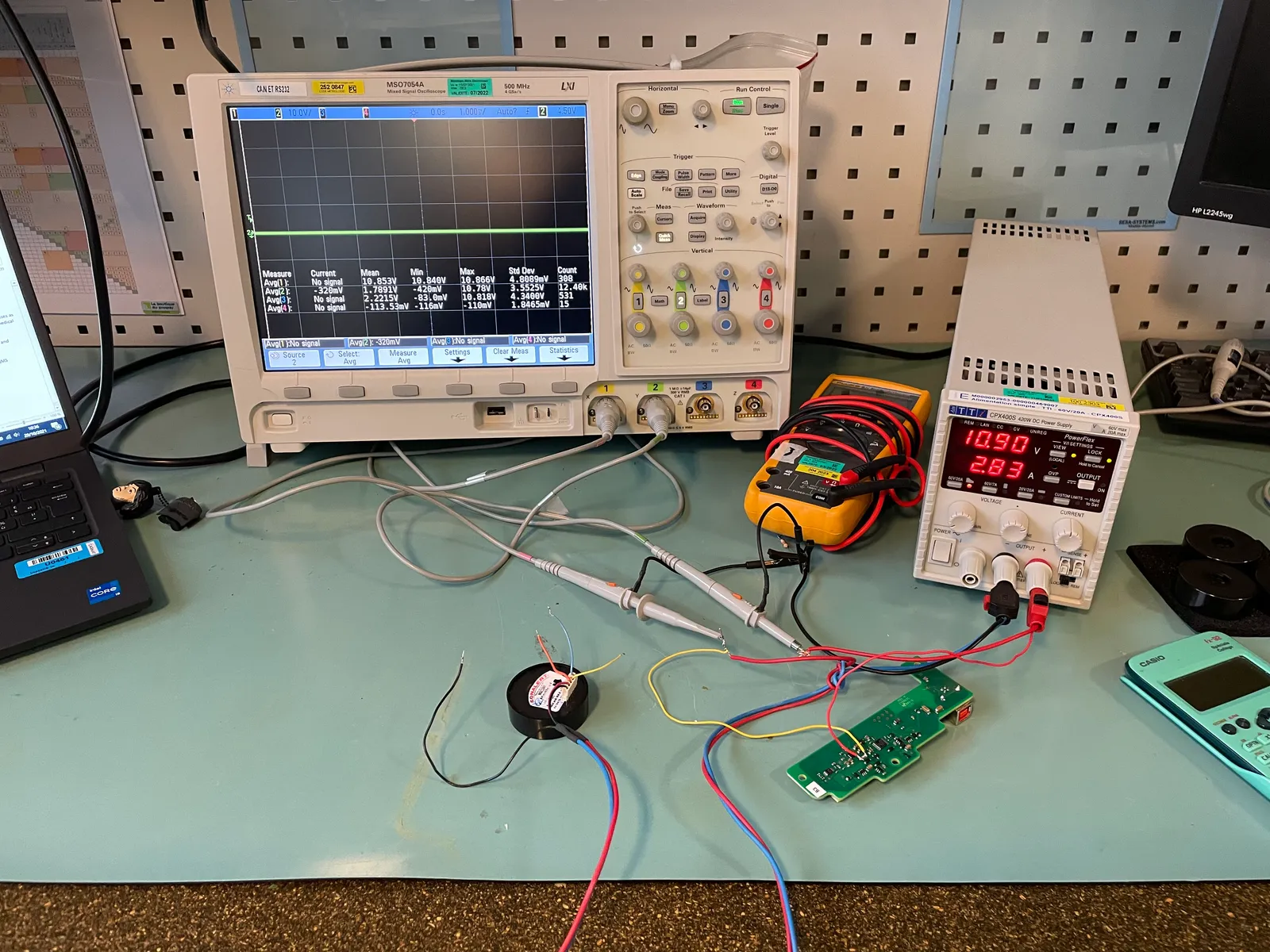
I was an electronics engineer, in charge of the technical validation of end-of-life components: the ones a supplier discontinues, that must be replaced without changing the device’s behavior at all, or with a better specification when possible. On an implanted organ, “roughly equivalent” doesn’t exist. You have to prove it.
In practice: supplier relations, lab testing, oven testing for accelerated aging, full-product testing. You don’t validate a component, you validate a proof.
the level of rigor, and the impact
Two things have stayed with me since. The first is the level of safety detail an implantable device demands: nothing is “probably fine”, every component has a traced history, every test a reason to exist. A rigor I’ve carried into every project since.
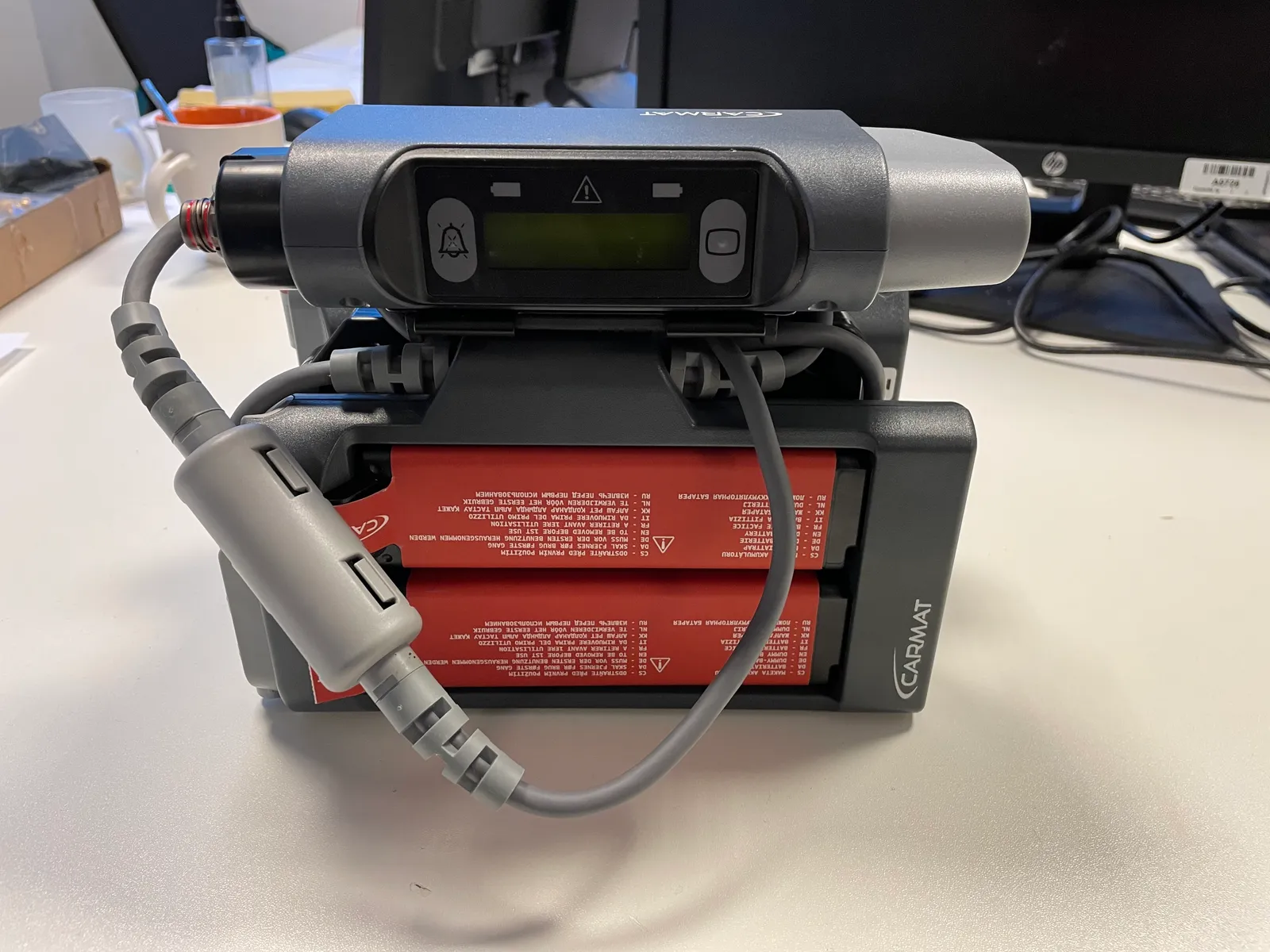
The second is the impact. While I was there, an end-of-life patient gained six months thanks to the device. Six months isn’t a line in a validation report. That’s what you build, at the end of the chain.
And along the way, I learned things about the human body no electronics course would have taught me: how blood flows, how exertion dilates the vessels and speeds up the rhythm, including that of an artificial heart, which has to keep up.
what I take from it
I didn’t stay long enough to leave a mark on the product. But Carmat left a mark on how I work: traceability as a reflex, the idea that a specification is proven and not assumed, and the conviction that a good product is measured by what it changes for someone.